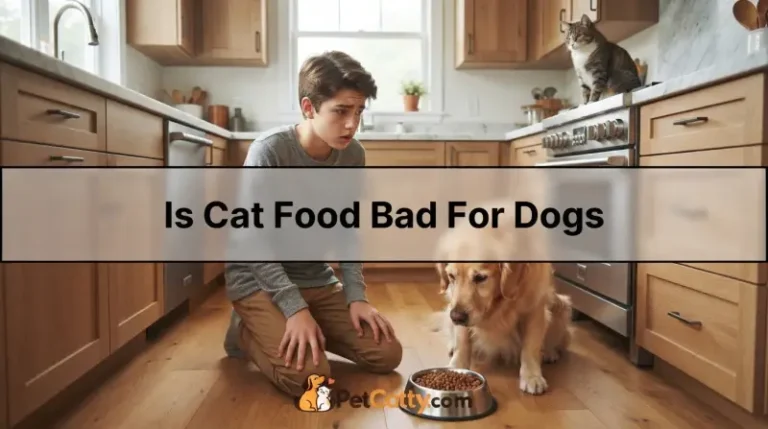
If you've ever caught your dog sneaking a snack from the litter box, you're not alone. And you're right to be concerned. The question of why do dogs eat cat poop is one of the most common and frustrating issues for multi-pet households.
It's not just gross. It can be dangerous.
The American Kennel Club estimates that about 24 percent of dogs engage in coprophagia, the technical term for stool eating, at some point in their lives. But common doesn't mean harmless. Understanding the real reasons behind this behavior is the first step to protecting your dog's health.
Quick Answer
Why do dogs eat cat poop? It's a mix of instinct and opportunity. The high-protein scent triggers scavenging behavior.
Some dogs have nutritional gaps. Others have medical conditions. The solution depends on the root cause.
Why This Matters More Than You Think
You might be tempted to brush this off as a weird but harmless habit. Don't.
Cat poop is fundamentally different from dog poop. Cats are obligate carnivores. Their digestive systems process a high-protein, high-fat diet.
Even after digestion, their stool retains a significant amount of undigested protein and fat. To a dog's nose, that smells like a concentrated, high-value food source.
But the risks are real. Cat poop can carry:
- Toxoplasma gondii, a parasite that causes toxoplasmosis
- Roundworms and hookworms, intestinal parasites that infect dogs and spread to people
- Salmonella and E. coli, bacteria that cause severe gastrointestinal illness
- Clumping cat litter, expands in the gut and can cause a life-threatening blockage
Veterinary research continues to confirm that coprophagia is not just a behavioral quirk. It's a health risk that requires a real solution. This guide gives you a clear, research-backed plan to stop it for good.
Quick Answer: What's Really Going On
Dogs eat cat poop because it smells like high-protein food. Their scavenger instincts take over. Some dogs have nutritional gaps.
Others are bored or stressed. Medical conditions can also trigger this behavior. The solution depends on the cause.
Is It Normal or a Red Flag? (And How to Tell)
Not all coprophagia is the same. There's a difference between a dog who occasionally sniffs out a litter box treat and one who actively seeks out cat poop as a primary food source.
When It's Likely Normal Scavenging Behavior
If your dog is otherwise healthy, eating a balanced diet, and only sometimes sneaks a bite from the litter box, it's probably just instinct. Dogs evolved as scavengers. Their ancestors survived by eating whatever they could find, including the feces of other animals.
This behavior is wired into their DNA.
Signs it's normal scavenging:
- Happens only when the litter box is accessible
- No other behavioral or health issues
- Stops when you block access to the litter box
- No weight loss, vomiting, or diarrhea
When It's a Red Flag
Frequent, compulsive coprophagia can signal an underlying problem. The American Veterinary Medical Association (AVMA) recommends a veterinary evaluation if your dog is eating stool regularly, especially with other symptoms.
| Symptom | What It Could Mean |
|---|---|
| Eating poop despite a balanced diet | Nutritional malabsorption issue |
| Sudden onset in an older dog | Cognitive decline or medical condition |
| Weight loss with increased appetite | Pancreatic insufficiency or diabetes |
| Vomiting, diarrhea, or bloating | Parasites, infection, or blockage |
| Eating their own poop plus cat poop | Generalized coprophagia, often behavioral |
If your dog shows any of these red flags, skip the DIY solutions. Call your vet. A fecal exam and bloodwork can rule out serious medical causes.
The Real Health Risks (Parasites, Blockages, and More)
Eating cat poop is not just a gross habit. It's a genuine health hazard for your dog and potentially for your family.
Parasites That Can Infect Your Dog
Cat feces are a common vector for several parasites. The most concerning is Toxoplasma gondii. According to the Centers for Disease Control and Prevention (CDC), toxoplasmosis can cause flu-like symptoms in dogs and more severe issues in immunocompromised animals.
Pregnant women in the household should also be cautious. The parasite can cause birth defects.
Other parasites commonly found in cat poop:
- Roundworms (Toxocara cati), These cause vomiting, diarrhea, and a pot-bellied appearance in dogs. They can also transmit to humans, especially children.
- Hookworms (Ancylostoma tubaeforme), These attach to the intestinal wall and feed on blood. They cause anemia and weight loss.
- Giardia, A protozoan parasite that causes chronic diarrhea and weight loss.
Most of these parasites are treatable with deworming medication. The key is catching them early. A dog that regularly eats cat poop should be on a monthly deworming protocol as recommended by your veterinarian.
Bacterial Infections
Cat feces can contain harmful bacteria like Salmonella and Campylobacter. These bacteria cause severe gastrointestinal illness in dogs. Symptoms include vomiting, bloody diarrhea, and fever.
In some cases, the infection can spread to humans through contact with contaminated dog saliva or feces.
The Clumping Litter Danger
This is one of the most serious and least discussed risks. Many cat litters use sodium bentonite clay. It clumps when wet.
If your dog eats a significant amount of this litter along with the poop, it can expand in the stomach or intestines. This causes a foreign body obstruction.
Signs of intestinal blockage include:
- Repeated vomiting
- Loss of appetite
- Abdominal pain (hunched posture, whining)
- Constipation or inability to pass stool
- Lethargy
Intestinal blockages are a veterinary emergency. They often require surgery to remove the obstruction.
Pancreatitis Risk
Cat poop is high in fat. For dogs prone to pancreatitis, a condition where the pancreas becomes inflamed, eating fatty cat feces can trigger a painful episode. Symptoms include vomiting, abdominal pain, and loss of appetite.
Why Do Dogs Eat Cat Poop? (The 4 Main Reasons)
Understanding the root cause is the key to finding the right solution. Here are the four main reasons dogs eat cat poop.
Instinct and Scavenging Behavior
This is the most common reason. It's also the simplest. Dogs are natural scavengers.
Their ancestors survived by eating whatever they could find, including the feces of other animals. This behavior is called coprophagy. It's been observed in many species, not just dogs.
Cat poop is particularly appealing because:
- It smells like high-protein food to a dog's sensitive nose
- Cats don't fully digest their food, so the stool contains undigested protein and fat
- The litter box provides a concentrated source of this "snack"
For dogs with a strong scavenging drive, the solution is usually environmental management. Remove the temptation. The behavior stops.
Nutritional or Digestive Imbalances
Some dogs eat cat poop because their bodies are telling them they need something. This could be a simple nutritional deficiency or a more complex digestive issue.
Possible nutritional drivers:
- Low protein in their diet, If your dog's food doesn't have enough protein, they may seek it out elsewhere
- Enzyme deficiencies, Some dogs don't produce enough digestive enzymes. They seek out undigested nutrients in stool
- Vitamin B deficiency, Research suggests dogs may eat stool to compensate for a lack of thiamine or other B vitamins
- Low fiber intake, Fiber helps regulate digestion. Dogs with low fiber may eat stool to add bulk to their digestive system
If you suspect a nutritional cause, review your dog's food. Look for a high-protein, high-fiber diet. Some dogs respond well to adding a digestive enzyme supplement or a probiotic to their meals.
Medical Causes (Pica, Pancreatic Issues, and More)
In some cases, coprophagia is a symptom of an underlying medical condition. This is why a veterinary evaluation is so important before you try behavioral interventions.
Medical conditions that can cause coprophagia:
- Exocrine pancreatic insufficiency (EPI), The pancreas doesn't produce enough digestive enzymes. The dog can't absorb nutrients properly. They eat stool to try to get those missing nutrients.
- Diabetes mellitus, Dogs with diabetes may have increased appetite and seek out alternative food sources.
- Cushing's disease, This hormonal disorder can increase appetite and lead to scavenging behaviors.
- Thyroid disease, Both hyperthyroidism and hypothyroidism can affect appetite and digestion.
- Pica, A condition where dogs compulsively eat non-food items. This can be triggered by nutritional deficiencies, medical issues, or behavioral problems.
A full veterinary workup can rule out these conditions. This includes bloodwork, a fecal exam, and possibly a pancreatic function test.
Behavioral Factors (Boredom, Stress, and Attention-Seeking)
When medical and nutritional causes have been ruled out, the problem is likely behavioral. Dogs eat cat poop for the same reasons they chew shoes or dig holes. They're bored, stressed, or looking for attention.
Common behavioral triggers:
- Boredom, Dogs left alone for long periods with nothing to do may find the litter box as a form of entertainment
- Stress or anxiety, Changes in the household, new pets, or loud noises can trigger compulsive behaviors
- Attention-seeking, If you react strongly when you catch your dog eating poop, they may learn this behavior gets your attention
- Puppy exploration, Puppies explore the world with their mouths. Cat poop is just another interesting thing to investigate
Behavioral coprophagia requires a different approach. Instead of focusing on diet or medical issues, you need to address the underlying emotional or environmental trigger. More exercise, mental stimulation, and structured training can make a significant difference.